In many manufacturing facilities, CNC machines operate with such precision and automation that it’s easy to overlook the risks behind them. However, even when a machine appears idle, it may still hold dangerous energy that can cause serious injury. This is why lockout tagout (LOTO) plays a central role in CNC machine safety. By isolating hazardous energy before maintenance or cleaning, LOTO prevents accidental start-ups and protects workers from harm. Understanding the importance of proper LOTO is the first step toward building a safer CNC workshop.
CNC machines handle electrical power, hydraulic force, pneumatic pressure, and fast-moving mechanical systems. These different types of energy do not disappear the moment the machine stops running. For example, a spindle may continue to rotate from inertia, hydraulic clamps may still hold pressure, and electrical circuits may stay energized. Because of these hidden risks, workers who perform maintenance, tool changes, cleaning, or troubleshooting face potential hazards if LOTO is not applied.
Without proper lockout tagout, accidents may include electrical shock, crushing from moving axes, injuries caused by tool changers, or accidental startup during repair. OSHA has consistently listed LOTO-related violations among the top ten workplace safety citations, showing how common these incidents are. For CNC shops, this means that strong LOTO practices protect workers while also helping avoid costly penalties.
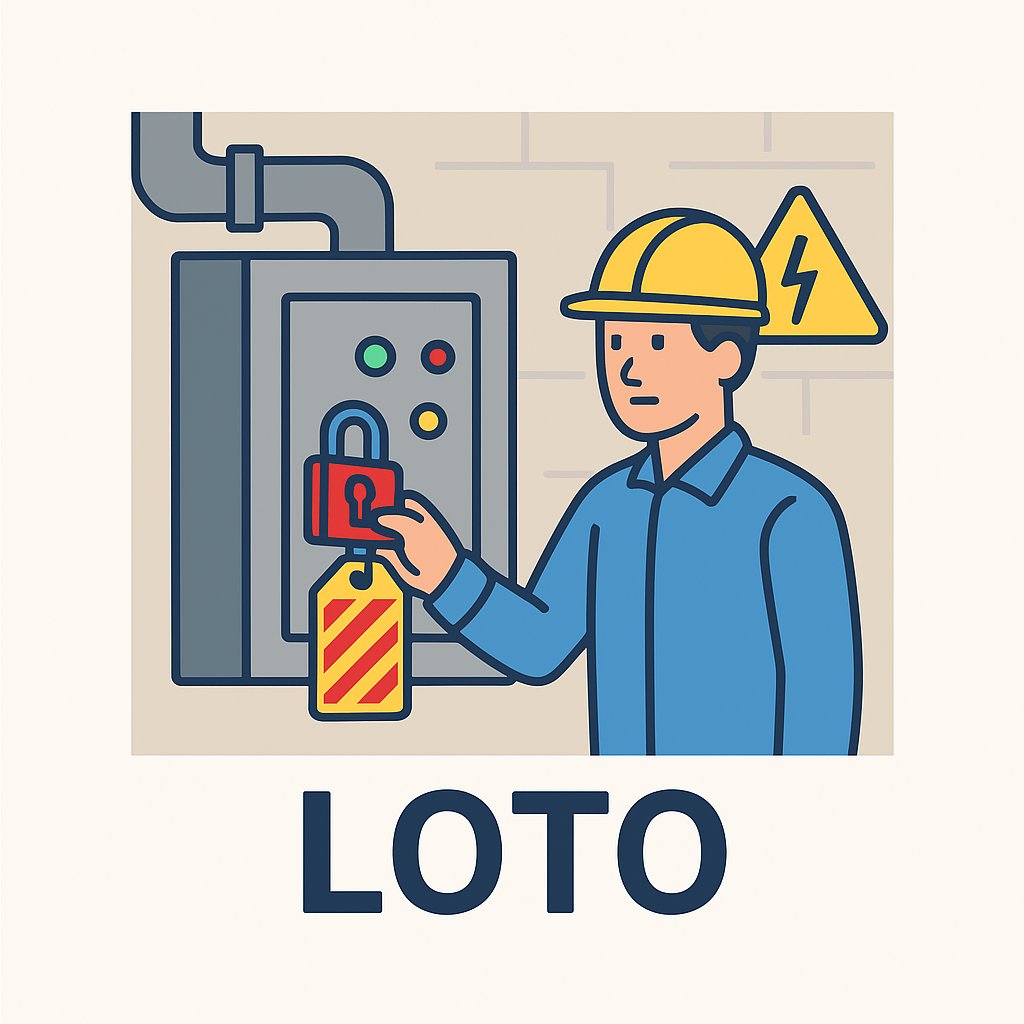
To create an effective CNC machine LOTO program, it is necessary to identify all types of hazardous energy. CNC machines commonly involve:
Power supplies for motors, servos, drives, and control circuits must be fully isolated to prevent unexpected activation.
Hydraulic systems operate clamps, tool changers, and pumps. They can hold pressure even after the machine is powered down.
Air pressure drives actuators, brakes, and tool systems. Residual pressure can cause sudden movement if not released.
Moving axes, springs, gears, and spindles store kinetic or potential energy that can continue to move or release force.
Heat from motors or cutting processes can cause burns during maintenance if the machine has not cooled.
Recognizing these energy sources ensures that each one can be isolated, locked, and verified before work begins.
When CNC machine LOTO is skipped, hazards can appear quickly. Unexpected axis movement can cause crushing injuries, while pressurized hydraulic or pneumatic lines may suddenly release force. Electrical components may remain live even when the machine looks off, creating a shock risk. Residual spindle rotation can also catch clothing or tools, leading to entanglement. These hazards show that an idle CNC machine is not the same as a safe CNC machine. LOTO is the only reliable way to prevent these situations.
A clear and consistent LOTO procedure helps technicians work safely. While every facility should follow OSHA guidelines, each CNC machine should also have its own detailed LOTO steps. Below is a practical overview of how the process works:
Before shutting anything down, the worker should identify all hazardous energy sources and review the machine-specific LOTO instructions. Many facilities create procedure cards that show where to lock electrical, hydraulic, and pneumatic controls.
The machine should be stopped using normal operating controls. This includes turning off the spindle, feed axes, and coolant pumps to bring the machine to a controlled stop.
Next, each main energy source must be disconnected. This often includes locking out the electrical disconnect switch, shutting hydraulic valves, closing pneumatic air lines, and turning off auxiliary systems such as lubrication or coolant pumps.
Once the energy points are isolated, workers apply lockout devices and attach tags that show who performed the lockout and why. Using durable, standardized lockout padlocks and lockout devices helps prevent mistakes and improves consistency.
Hydraulic and pneumatic systems must be drained to zero pressure. Mechanical motion should stop completely, and any stored force should be released safely.
Before beginning work, the worker must verify that all energy has been removed. This includes attempting to start the machine, checking pressure gauges, and confirming that the spindle or axes do not move.
With the machine confirmed in a zero-energy state, maintenance, cleaning, or adjustments can be safely performed.
After work is finished, locks and tags are removed by the person who installed them. Energy sources are restored slowly, and the machine is tested carefully to ensure normal operation.
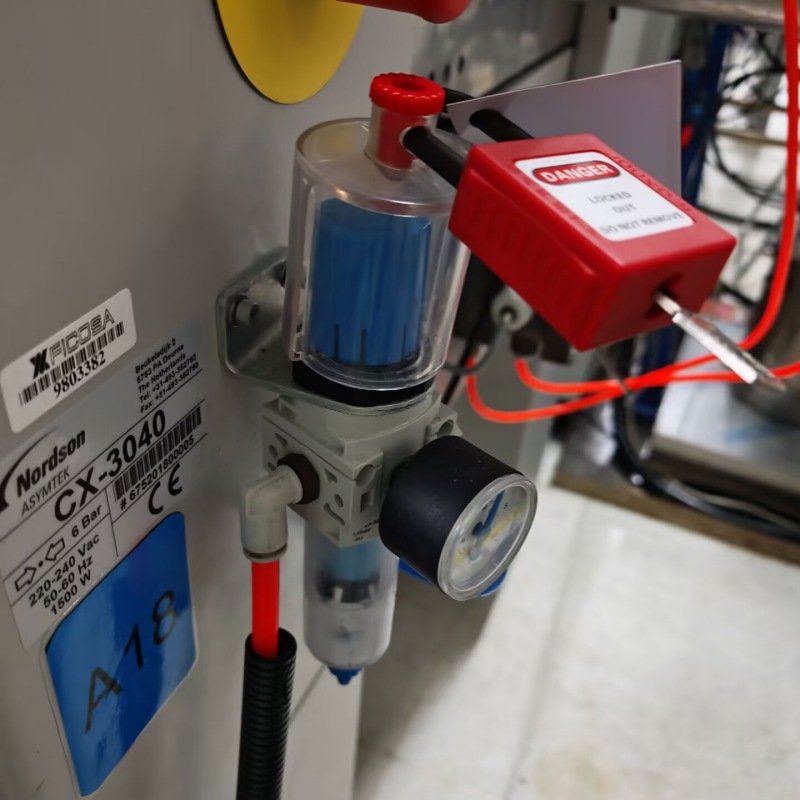
Even with clear steps, the success of a LOTO program depends on discipline and consistency. Facilities can strengthen CNC machine LOTO by:
When LOTO becomes part of daily routine, workers stay safe and machines operate more reliably.
Lockout tagout is not just a set of instructions—it is a critical part of CNC machine safety. By properly isolating hazardous energy, facilities can prevent injuries, reduce downtime, and protect their workforce. A strong LOTO program keeps CNC maintenance predictable, controlled, and compliant with safety regulations. With consistent training and the right lockout devices, every CNC shop can build a safer and more efficient work environment.
To implement reliable safety solutions for your facility, choose high-quality lockout devices from a trusted partner. ELECPOPULAR SAFETY, a professional lockout padlock and lockout device manufacturer, provides durable and practical LOTO products designed for industrial environments. Contact ELECPOPULAR SAFETY to upgrade your CNC machine safety program today.


COPYRIGHT© 2024 Elecpopular Safety Products Co., Ltd. All rights reserved.
Designed by 


