Every year, thousands of workplace injuries occur because machinery is unexpectedly energized during maintenance or repair. These incidents can lead to severe injuries, amputations, or even fatalities. This is where lockout tagout (LOTO) becomes essential. If you've ever wondered what is padlock lockout tagout, this guide explains everything you need to know—from its purpose and OSHA requirements to proper procedures and the devices used in industrial facilities. Whether you manage a manufacturing plant, electrical system, warehouse, or construction site, understanding lockout tagout can significantly improve workplace safety.
What Does Lockout Tagout Mean?
Lockout tagout (LOTO) is a safety procedure designed to ensure that dangerous machines are completely shut down and cannot be restarted until maintenance or servicing is completed.
The process involves two important actions:
A physical lock is placed on the energy-isolating device (such as a circuit breaker, valve, or disconnect switch) to prevent the equipment from being energized.
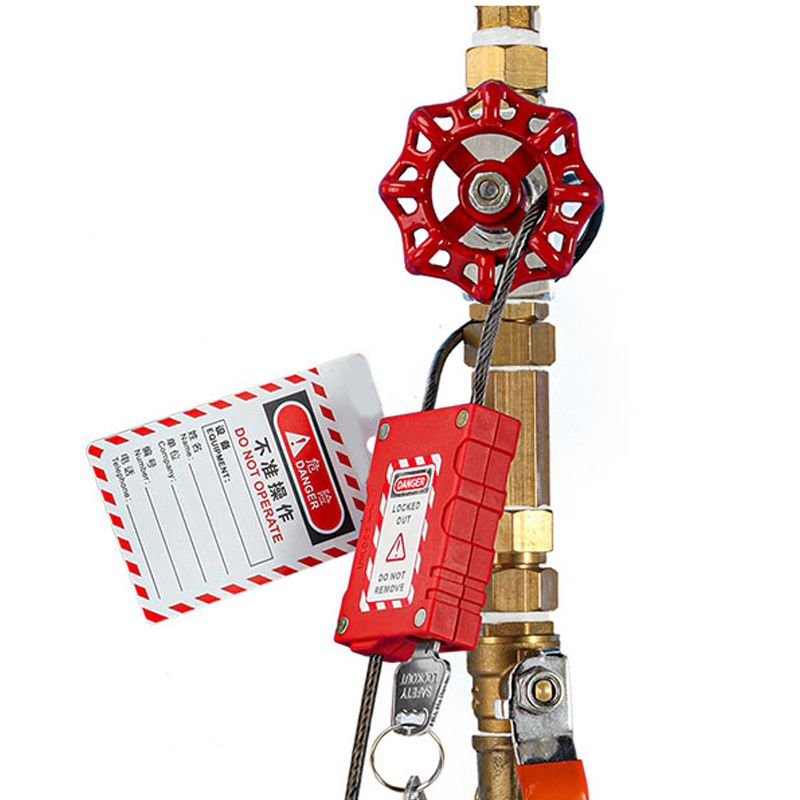
A warning tag is attached to inform everyone that maintenance is in progress and that the equipment must not be operated.
Together, lockout and tagout protect employees from unexpected startup or the release of hazardous energy.
Why Is Lockout Tagout Important?
Many industrial machines contain multiple forms of hazardous energy, including:
Even after equipment has been powered off, residual energy can remain stored inside the system.
Without a proper lockout tagout procedure, workers may unknowingly activate machinery or release stored energy, resulting in serious accidents.
Implementing a comprehensive lockout tagout system helps:
Prevent workplace injuries
Reduce equipment damage
Meet OSHA compliance
Protect maintenance personnel
Improve overall operational safety
OSHA Requirements for Lockout Tagout
The Control of Hazardous Energy Standard
According to OSHA, employers must:
Develop written lockout tagout procedures
Train authorized and affected employees
Provide appropriate lockout tagout devices
Inspect procedures annually
Ensure energy isolation before maintenance begins
Failure to comply can result in costly penalties and increased workplace risks.
When Should Lockout Tagout Be Used?
LOTO should be applied whenever employees perform maintenance, servicing, installation, adjustment, cleaning, or repair where unexpected energization could occur.
Common examples include:
Any activity involving hazardous energy should follow a documented lockout tagout procedure.
Types of Hazardous Energy
Understanding hazardous energy is critical for effective LOTO safety.
Electrical Energy
The most common hazard in industrial facilities.
Examples include:
Circuit breakers
Electrical panels
Motor control centers
High-voltage equipment
Mechanical Energy
Moving machine components such as:
Rotating shafts
Conveyor belts
Flywheels
Press machines
Stored mechanical energy can continue moving even after power is disconnected.
Hydraulic Energy
Hydraulic systems maintain pressure even after shutdown.
Examples:
Pressure must be released before maintenance.
Pneumatic Energy
Compressed air systems can unexpectedly release stored energy.
Examples include:
Thermal Energy
Steam lines, heated pipes, and industrial ovens may retain dangerous temperatures long after shutdown.
Lockout Tagout Procedure
A standard lockout tagout procedure generally includes these steps.
Step 1: Prepare for Shutdown
Identify:
Energy sources
Isolation points
Stored energy
Required PPE
Review the equipment-specific LOTO procedure.
Step 2: Shut Down Equipment
Turn off the machine using normal operating controls.
Step 3: Isolate Energy Sources
Disconnect all energy sources by operating:
Disconnect switches
Circuit breakers
Valves
Plugs
Step 4: Apply Lockout Devices
Install approved lockout tagout devices on every energy-isolating point.
Examples include:
Safety padlocks
Circuit breaker lockouts
Plug lockouts
Each authorized worker should apply their own personal lock.
Step 5: Attach Safety Tags
Tags should clearly indicate:
Employee name
Department
Date
Reason for lockout
Tags communicate that equipment must not be operated.
Step 6: Release Stored Energy
Residual energy must be eliminated.
Examples include:
Step 7: Verify Isolation
Attempt to start the machine using normal controls.
If the equipment does not start, the lockout is verified.
Verification is one of the most important steps in LOTO safety.
Common Lockout Tagout Devices
Different equipment requires different locking solutions.
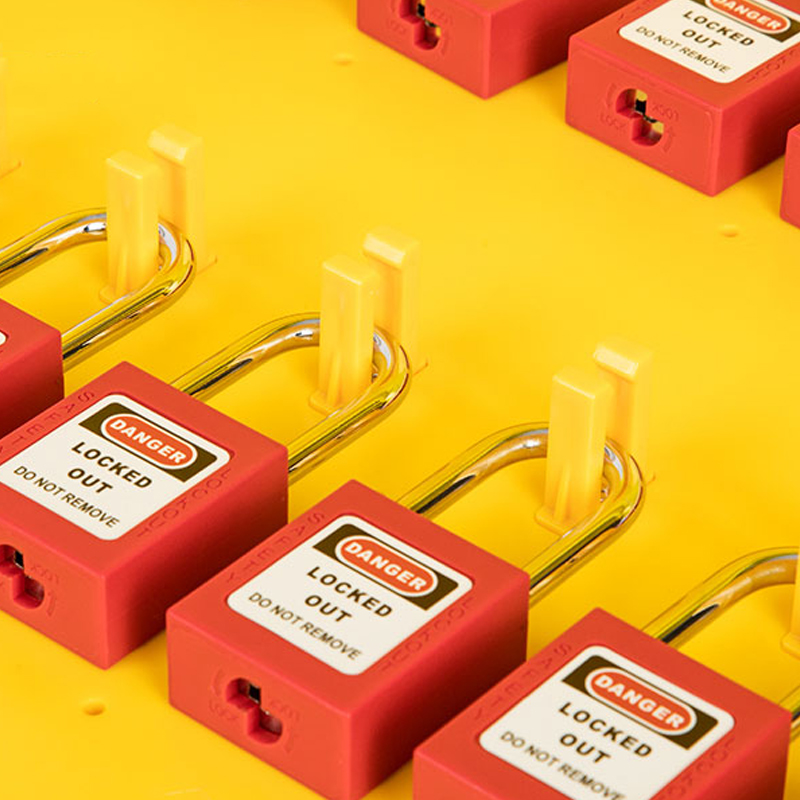
Safety Padlocks
Personal padlocks ensure only authorized workers can remove them.
Features include:
Non-conductive materials
Unique key systems
Durable construction
Circuit Breaker Lockouts
Designed for electrical panels. They prevent circuit breakers from being switched on accidentally.
Valve Lockouts
Used on:
Ball valves
Gate valves
Butterfly valves
Plug valves
These prevent valves from opening during maintenance.
Plug Lockouts
Suitable for electrical plugs disconnected from power outlets.
Cable Lockouts
Ideal for multiple isolation points or unusual equipment configurations.
Lockout Hasps
Allow multiple workers to secure the same isolation point with their individual locks.
Who Is Involved in Lockout Tagout?
LOTO programs typically involve three groups.
Authorized Employees
These workers perform maintenance and apply lockout devices.
Affected Employees
They operate or work near the equipment but do not perform lockout.
Other Employees
Anyone working in the area should understand the meaning of lockout tags and respect restricted equipment.
Training requirements differ for each group.
Common Lockout Tagout Mistakes
Even experienced teams can make errors.
Common mistakes include:
Failing to identify all energy sources
Skipping verification
Sharing padlock keys
Removing another employee's lock
Using damaged lockout devices
Missing annual inspections
Inadequate employee training
Avoiding these mistakes greatly improves workplace safety.
Best Practices for an Effective Lockout Tagout Program
A successful LOTO program should include:
Written procedures for every machine
Regular employee training
Annual audits
Standardized padlock safety lockout devices
Durable warning tags
Equipment-specific documentation
Clear employee responsibilities
Continuous safety improvement
Consistency is essential.
Choosing High-Quality Lockout Tagout Equipment
Reliable lockout tagout equipment is critical for ensuring compliance and protecting workers.
When selecting LOTO products, consider:
Using certified, high-quality lockout tagout padlocks devices can help reduce maintenance risks and improve operational efficiency.
Frequently Asked Questions
What is the difference between lockout and tagout?
Lockout physically prevents equipment from being energized using a lock. Tagout provides a warning label indicating that maintenance is underway. Whenever possible, lockout should be used together with tagout.
Is lockout tagout required by OSHA?
Yes. OSHA requires employers to establish a lockout tagout program whenever employees are exposed to hazardous energy during servicing and maintenance.
Can one lock protect multiple workers?
No. Each authorized employee should apply their own personal lock. If multiple employees are working, a lockout hasp allows each person to attach an individual lock.
How often should lockout procedures be reviewed?
OSHA requires employers to inspect padlock lockout tagout procedures at least annually. Regular reviews help identify gaps and improve compliance.
Conclusion
Understanding what is lockout tagout is fundamental to creating a safe workplace. A well-designed lockout tagout system protects employees from hazardous energy, supports OSHA compliance, and reduces costly accidents. By following proper lockout tagout procedures, using reliable lockout tagout devices, and providing regular employee training, organizations can significantly improve workplace safety and operational reliability.
At
EPSAFE, we provide durable and dependable safety lockout padlock equipment designed to help industrial facilities implement effective LOTO safety programs. Whether you need safety padlocks lockout tagouts, valve lockouts, breaker lockouts, cable lockouts, or complete lockout tagout kits, choosing the right solutions is an important step toward a safer workplace.