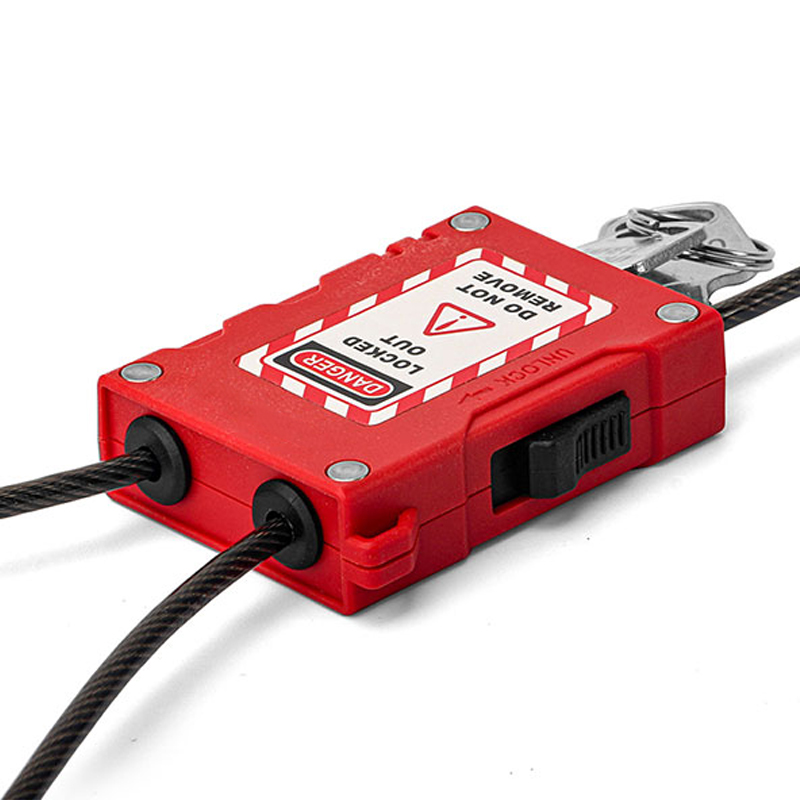
Every maintenance task involving hazardous energy carries potential risks if proper safety procedures are not followed. Whether servicing electrical equipment, industrial machinery, or hydraulic systems, unexpected energy release can lead to serious injuries, equipment damage, and costly downtime. So, what is a proper practice for a lockout tagout situation? A proper lockout tagout practice is a systematic process that ensures all hazardous energy sources are identified, isolated, locked, tagged, and verified before maintenance begins. It also requires clear communication, the use of appropriate lockout safety padlocks, and strict adherence to established safety procedures.
This guide outlines the key lockout tagout best practices that help protect employees, reduce workplace hazards, and support compliance with OSHA's hazardous energy control requirements.

Why Proper Lockout Tagout Practices Matter
Every machine has the potential to store hazardous energy, even after it has been switched off. Without following proper lockout tagout safety padlock procedures, workers may be exposed to:
Unexpected machine startup
Electrical shock
Crushing injuries
Hydraulic pressure release
Pneumatic energy discharge
Burns from thermal energy
Equipment damage
Implementing consistent LOTO practices helps organizations:
Reduce workplace accidents
Protect maintenance personnel
Improve operational efficiency
Prevent costly downtime
A strong lockout tagout padlocks program is one of the most effective ways to control hazardous energy.
What Is Considered a Proper Lockout Tagout Practice?
A proper lockout tagout situation should always include the following steps.
Identify Every Hazardous Energy Source
Before maintenance begins, identify every energy source connected to the equipment.
These may include:
Electrical power
Hydraulic systems
Pneumatic systems
Steam pressure
Mechanical movement
Gravity
Chemical energy
Many machines have multiple energy sources that must all be isolated before work starts.
Notify All Affected Employees
Employees who operate or work near the equipment should be informed before the machine is shut down.
Communication helps prevent:
Accidental startup
Production interruptions
Employee confusion
Unauthorized operation
Proper notification is an essential part of every lockout tagout procedure.
Shut Down Equipment Correctly
Always follow the manufacturer's recommended shutdown procedure.
Avoid:
Pulling plugs without proper shutdown
Disconnecting power while machines are operating
Skipping normal stopping procedures
A controlled shutdown reduces equipment damage and safety risks.
Isolate All Energy Sources
After shutting down the equipment, disconnect every energy source.
Examples include:
Circuit breakers
Disconnect switches
Valves
Electrical plugs
Air supply lines
Hydraulic controls
Complete isolation is critical before applying lockout devices.
Apply Approved Lockout Devices
Each energy-isolating device should be secured using appropriate lockout equipment.
Common devices include:
Safety padlocks
Circuit breaker lockouts
Plug lockouts
Cable lockout device
Lockout tagout hasp
Every authorized employee should apply their own personal lock whenever multiple workers are involved.
Attach Clearly Visible Warning Tags
Tags should include:
Tags communicate that maintenance is in progress and warn others not to operate the equipment.
Remember: Tags provide information—but locks provide protection.
Release Stored Energy
Simply disconnecting electrical power does not eliminate every hazard. Residual energy should be safely released, including:
Hydraulic pressure
Compressed air
Spring tension
Rotating flywheels
Elevated machine parts
Electrical capacitors
Stored energy is one of the most overlooked hazards during maintenance.
Verify Zero Energy
Verification is one of the most important LOTO practices.
Before beginning work:
Attempt to start the machine using normal controls.
Test electrical circuits with appropriate instruments when required.
Confirm that all moving parts remain stationary.
Maintenance should never begin until zero-energy status has been verified.
Perform Maintenance Safely
Only after verification should employees begin servicing, repairing, cleaning, or adjusting equipment.
During maintenance:
Never bypass safety devices.
Never remove another employee's lock.
Keep the work area organized.
Follow company safety procedures at all times.
Remove Lockout Devices Correctly
When maintenance is complete:
Inspect the equipment.
Confirm all tools have been removed.
Ensure employees are clear of danger.
Remove locks and tags by the person who installed them.
Restore energy following company procedures.
Notify affected employees before restarting equipment.
Restoring power safely is just as important as isolating it.
Common Lockout Tagout Mistakes to Avoid
Even experienced maintenance teams sometimes overlook critical steps.
Common mistakes include:
Failing to identify all energy sources
Forgetting stored energy
Skipping verification
Using damaged lockout devices
Sharing lock keys
Removing someone else's lock
Inadequate employee training
Poor documentation
These mistakes can significantly increase the risk of serious injurie
OSHA Requirements for Proper LOTO Practices
This includes:
Regular audits help ensure procedures remain effective and compliant.
Best Practices for Building a Strong LOTO Program
Organizations with successful lockout tagout programs typically:
Standardize lockout procedures across facilities
Use durable, high-visibility lockout devices
Train employees regularly
Conduct annual inspections
Label energy isolation points clearly
Maintain equipment documentation
Encourage reporting of safety concerns
Safety should become part of everyday operations—not just maintenance activities.
Choosing the Right Lockout Tagout Equipment
The effectiveness of any LOTO program depends on reliable safety equipment.
When selecting lockout tagout padlocks, look for products that offer:
Using high-quality lockout equipment helps improve both safety and compliance.
Conclusion
Understanding what is a proper practice for a lockout tagout situation is critical to preventing serious injuries caused by hazardous energy in the workplace. An effective LOTO program goes far beyond simply using locks and tags—it relies on thorough planning, complete energy identification, proper use of lockout tagout equipment, employee training, and strict adherence to standardized procedures. By consistently applying key steps such as identifying all energy sources, isolating equipment, releasing stored energy, and verifying zero-energy conditions before maintenance begins, organizations can significantly reduce risks and improve overall workplace safety while maintaining OSHA compliance.
At EPSAFE, we are committed to supporting safer industrial environments by providing reliable and high-quality lockout tagout devices. Our product range includes
lockout hasps, valve lockouts, circuit breaker lockouts, cable lockout systems, lockout hasps, and complete LOTO kits designed to help teams implement effective hazardous energy control programs with confidence.